Over the past two years, search has changed and will continue to be more different than it was in the previous 10 years. The ten-blue-links model that has been the core of SEO since the late 1990s is being replaced by an answer-first model, where AI systems read, synthesize, and summarize the web, so that user does not have to click a link at all. To marketers, this is not just the update of an algorithm but a paradigm shift in the way visibility, traffic, and trust are formed on the Internet.
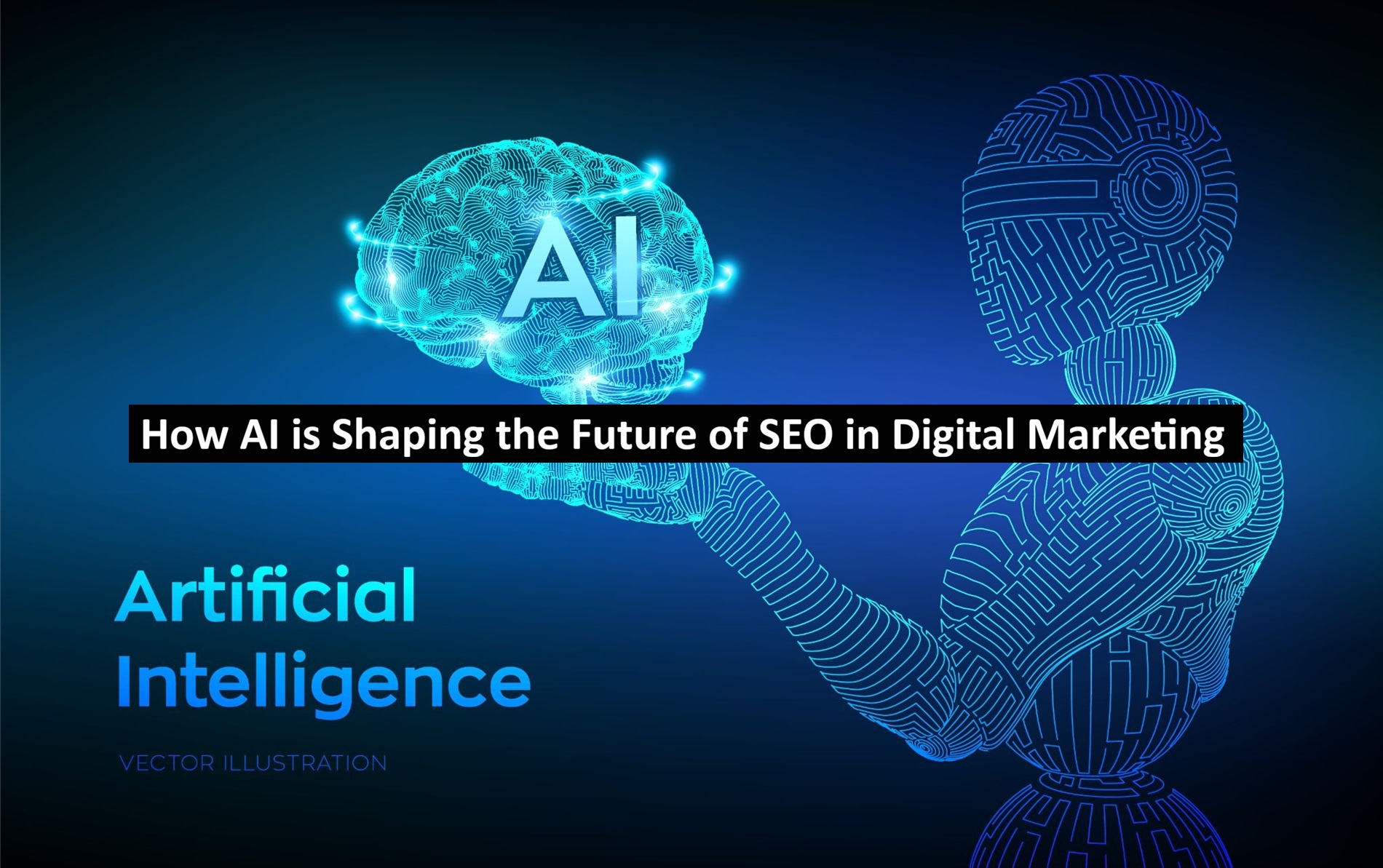
According to Forbes, AI has become the foundation of today’s intelligent search algorithms. Artificial intelligence is rapidly reshaping SEO, changing how businesses optimise content and connect with their audiences. As we move through 2026, digital marketers must embrace AI-powered tools while maintaining strong SEO fundamentals to improve search visibility, enhance user experience.
From Ranked Links to Synthesized Answers
The search engines are moving beyond listing ranking links to providing AI-generated, synthesized responses by drawing upon a variety of credible sources simultaneously. Other than clicking through multiple websites, quicker and more detailed responses to user queries can now be provided directly on the results page. This alters the calculus of SEO visibility is no longer based on tricks of the key words but rather on the creation of truly authoritative, high-quality, trustful content. Marketers must maximize real user intent, exhibit apparent expertise, and organize content in such a way that it can be confidently referenced, summarized, and cited by AI-powered search engines to be visible, as opposed to being ignored.
Read: Back-End Development Basics: What Makes Web Apps Secure and Scalable
Why Zero-Click Search Changes the Math
Zero-Click search or zero-click search techniques in which users do not have to visit a website to receive answers are redefining the basic metrics of SEO. Over 50% of searches do not require a click as AI Overviews answer simple queries immediately on the search page. The click-through rates on queries that elicit AI summaries have fallen drastically, but recovery is beginning to surface with the addition of more linked sources to platforms. The practical lesson: a ranking and clicks will no longer define success. The new metrics marketers are monitoring include citation frequency, AI referral traffic, and share of model, or how many times a brand is mentioned within AI answers. The visibility is relevant even when no one clicks through.
What AI Search Engines Actually Reward
Large language models do not rank pages in the same way as a traditional search algorithm. Instead, they derive facts, assess credibility, and assemble a response from whichever sources appear most relevant, comprehensible, and reliable.
That makes optimised content look like:
- Structure over keyword density. Explicit headings in the form of questions, direct answers in brief at the beginning and detailed sections mean that the content can be extracted and quoted by an AI system with ease.
- Schema markup matters more, not less. FAQ schema, How-To schema, Article schema, and Organization schema can all assist traditional search engines and AI to realize what a page is all about and who is behind it. Structured FAQs markup pages are starting to appear as sources within AI-generated summaries.
- E-E-A-T is now a filtering mechanism. Experience, Expertise, Authoritativeness, and Trust became already significant to the quality raters of Google and now serve as the main indicators according to which AI systems assess which sources are trustworthy enough to be referenced. This is fueled by detailed author bios, credentials, original research, and a history of accurate and updated material.
- Original insight beats generic summarization. As AI models are also summarizers, information that only repeats already known facts is not likely to be selected as a source. Proprietary research, original data, and truly novel analysis are exactly the kind of information that a model cannot produce.
The Rise of Authentic, Human Content
With AI-generated text saturating the web, users and AI systems are increasingly putting more emphasis on user-generated content and lived experience. Forums and question-and-answer sites also experienced a massive increase in organic search penetration, which many commonly attribute to search engines appreciating that real testimonials and first-hand accounts are harder to duplicate and more valuable than generic AI summaries.
To brands, this translates to nurturing authentic customer reviews, prompting real user discussion, and demonstrating real-world experience are not just the nice-to-have community-building strategies, but they are now both search engine and AI models to determine what to cite.
AI as a Production Tool, Not Just a Distribution Channel
It’s worth separating two different roles AI plays in modern SEO. One is on the discovery side – the appearance and referencing of content in AI search engines, which have already been mentioned. The other is on the production side -how marketers employ AI tools to perform SEO work more quickly. The majority of marketers that post AI-assisted content continue to proofread and make significant edits to them before publication, which is a factor that human control is the only means of preventing generic, undifferentiated content that will flood an already AI-saturated web.
Practical Steps for Marketers Right Now
Considering all this, there are some priorities that any team developing an SEO strategy in the AI era should consider:
Audit for extractability – Revise important pages into easy-to-follow, modular blocks of answers with direct answers positioned towards the top, and with schema markup wherever appropriate.
Invest in original research and data – Anything that the AI model cannot already know – proprietary surveys, internal data, expert commentary – has been out of scale as something worth citing.
Monitor AI visibility, not rankings – Begin tracking the frequency of your brand in AI Overviews, ChatGPT responses, and other generative AI, in addition to more traditional rank-tracking.
Establish authentic brand power – Credibility, third-party source, publication consistency, authentic customer interaction, and author credentials are all sources of credibility that supports the trust signals AI systems run on.
Keep a human in the loop – Fasten AI to speed up research and writing, yet ensure that all published works have a true point of view that a model alone would never create.
Conclusion
AI has not replaced SEO, but has empowered it. This requires marketers to optimize both for the classic search crawler and for the AI model determining what to cite. Businesses that invest in AI consulting services are better equipped to create authoritative, trustworthy content that performs well for both traditional search engines and AI-powered search experiences. Brands that focus on expertise, accurate information, and trust will remain visible in search results, featured snippets, and AI-generated answers. The basics of good marketing have not died: know your audience, address real issues, and establish trust. What has changed is who — or what — is reading your content first.